

Civic Archaeological Museum at Clarisse
Museum

THE EXHIBITION PATH
Neolithic Hall
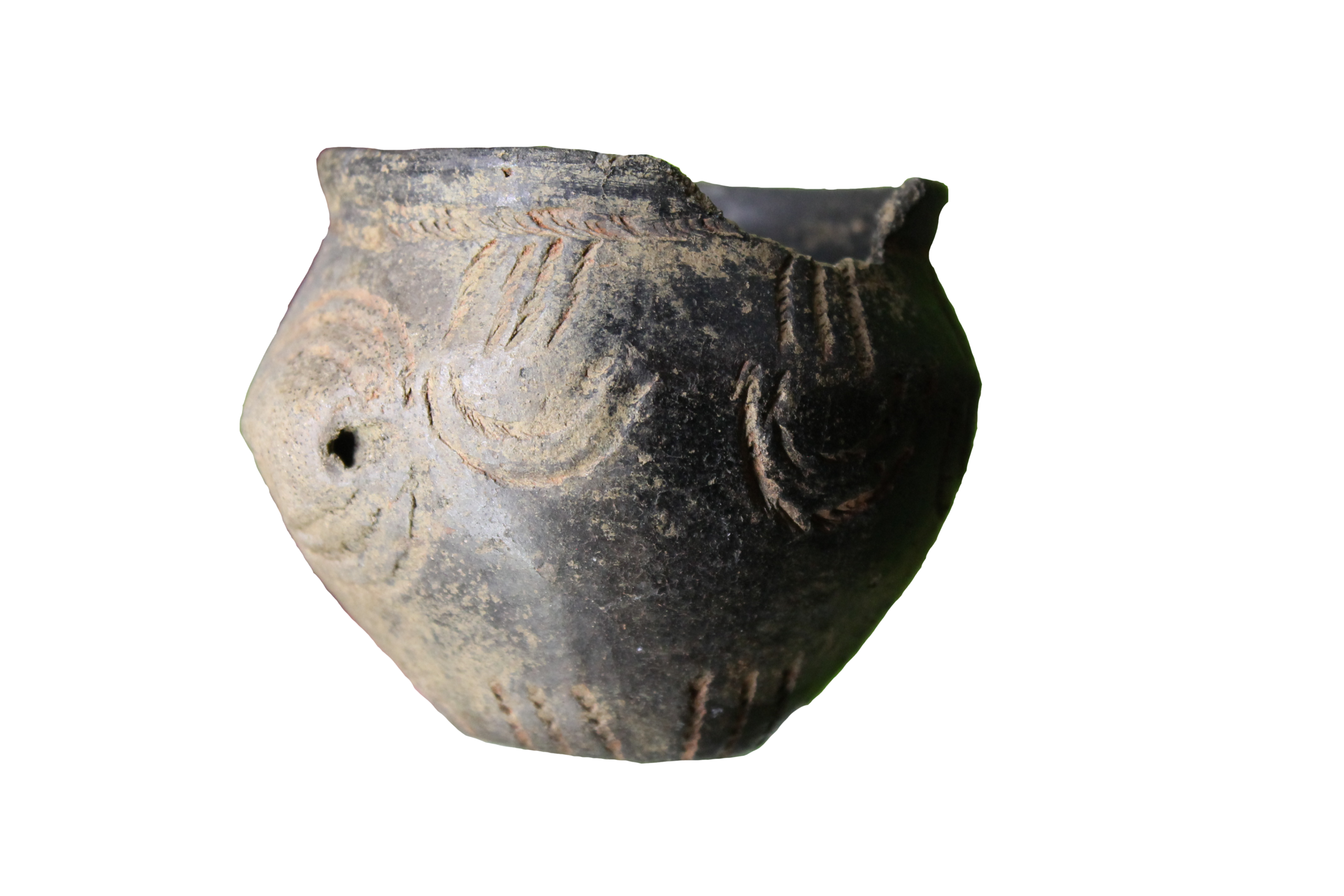
In the first room, dedicated to Prehistory, you will find stone tools and refined Neolithic ceramics belonging to numerous cultures, including the Ozieri culture ($4,000$–$3,000$ BC). Emerging from this very territory, it is world-renowned for the elegance of its decorations. Among its masterpieces, the famous Pyxis, discovered in the San Michele Cave, stands out. Alongside the ceramics, a bone Mother Goddess and Chalcolithic artifacts complete the picture of a surprisingly advanced civilization.
Nuragic Hall
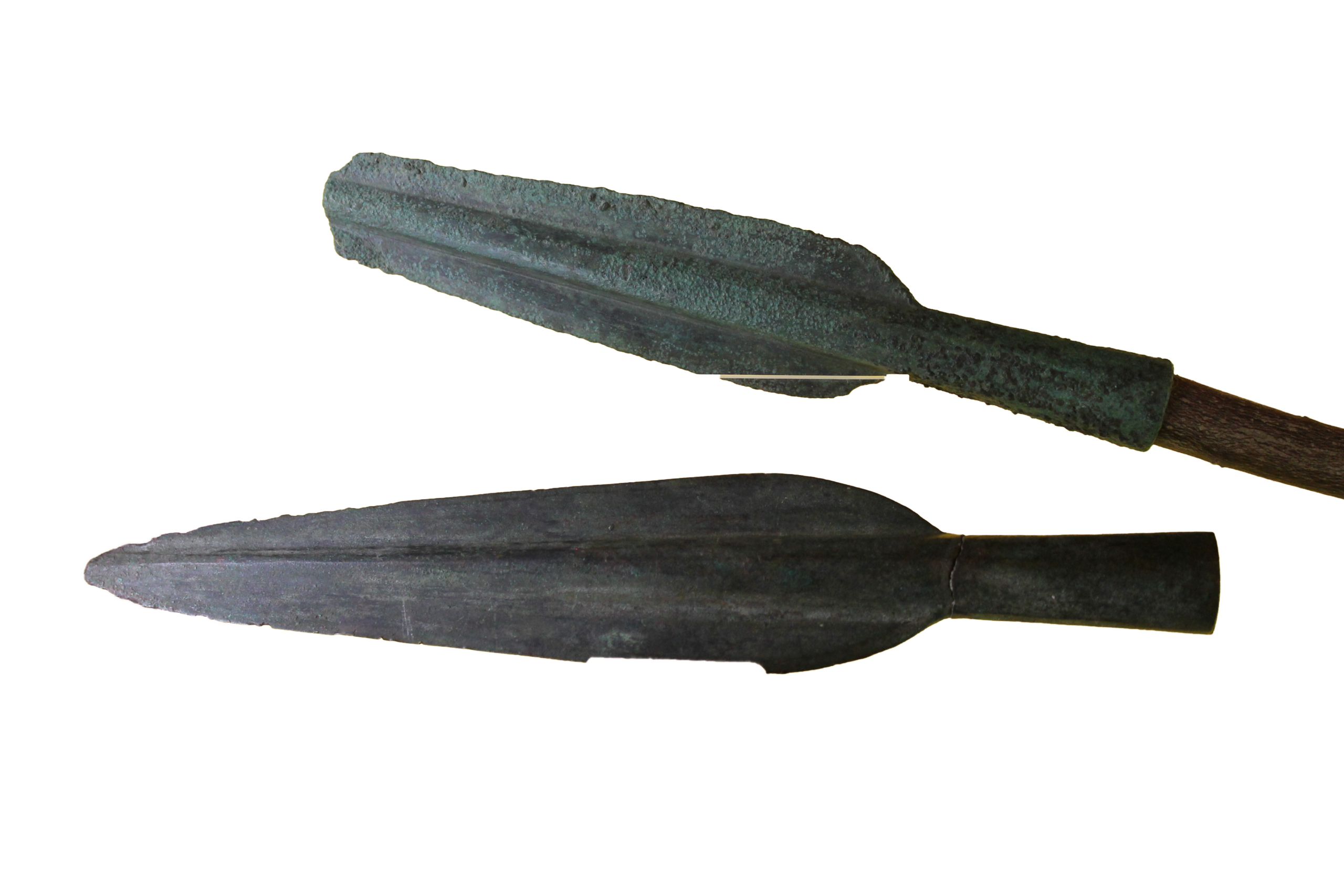
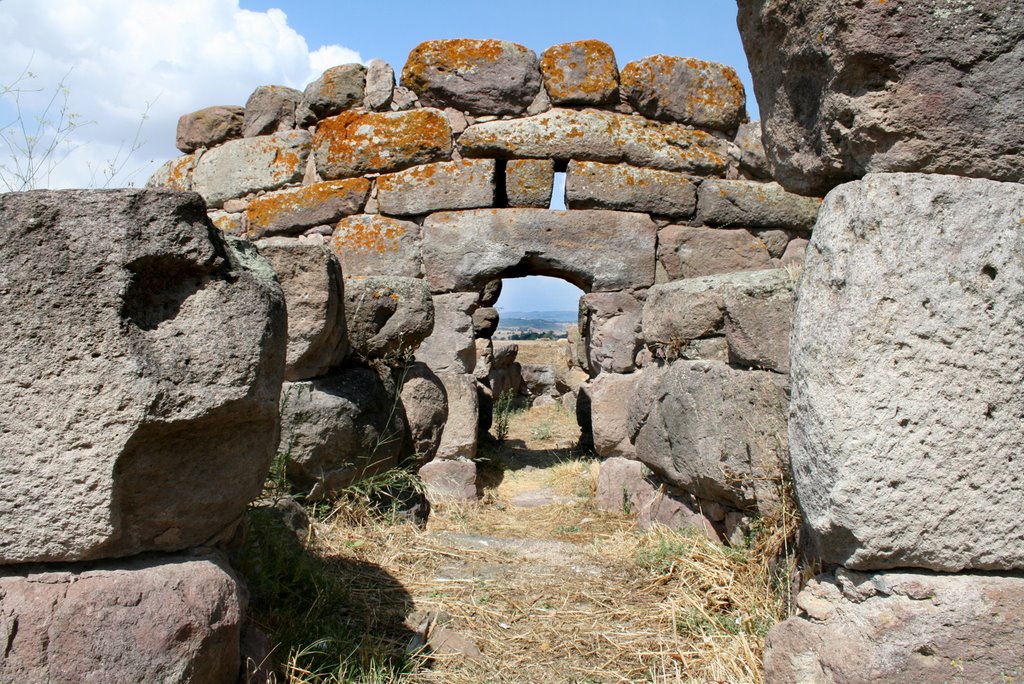
The second room is dedicated to the Nuragic civilization, which has left over 123 monumental remains in the Ozieri area, including nuraghi, Giants’ tombs, and sacred wells. Braziers, askoi, loom weights, mortars, and millstones tell the story of the daily life of a hardworking people. The molds from San Luca and the bronze tools from the hoards of Baldosa and Badu ‘e Tuvu, the copper and lead ingots, the Ox-hide ingot from Bisarcio — of Aegean-Cypriot origin — and the votive swords from S’Iscolca instead testify to the economic and ritual importance of the area, which stood at the center of trade routes as early as the Bronze Age. Videos and reconstruction models, including a scale Nuragic hut and a Giants’ tomb, make the experience even more vivid.
Roman Hall
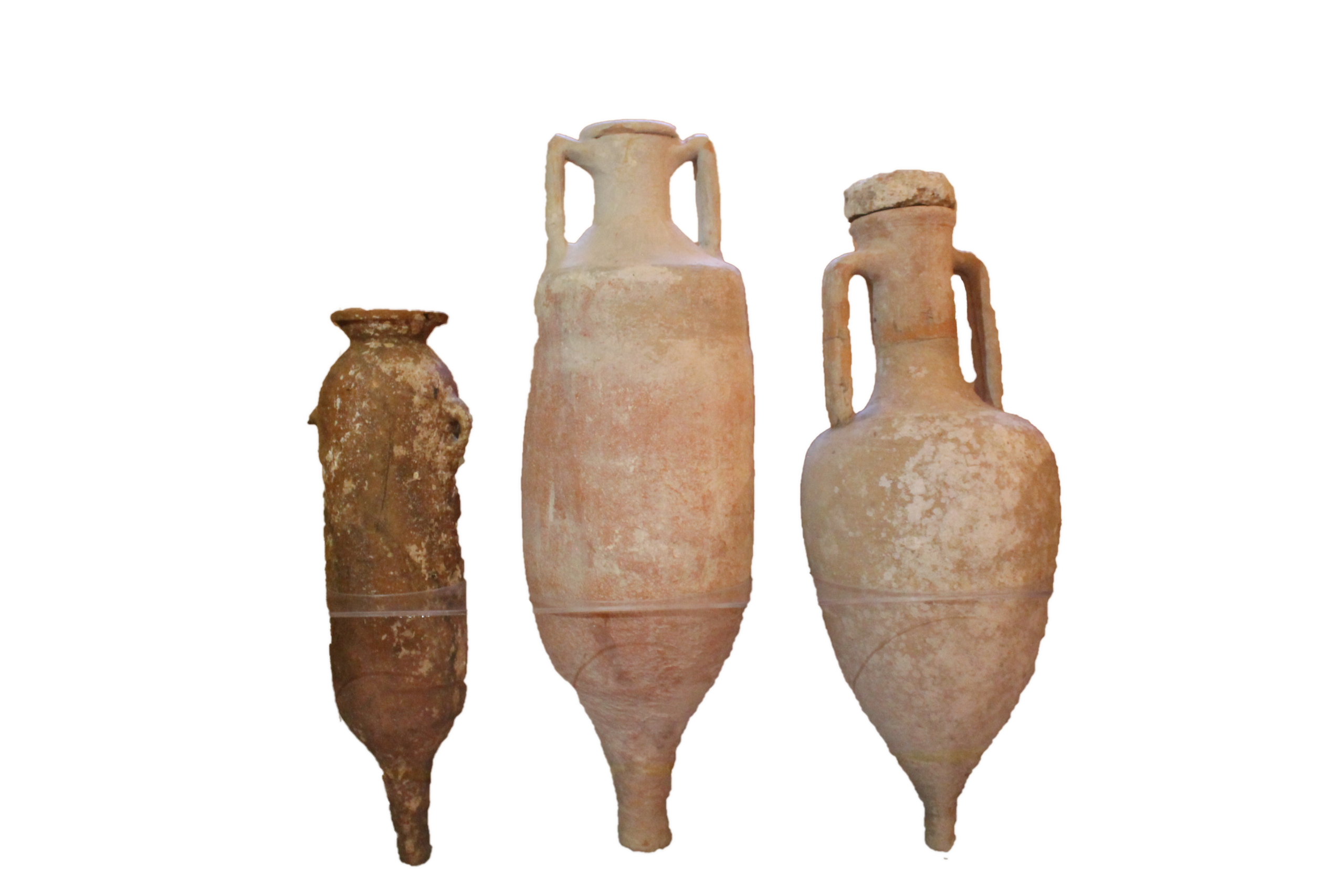
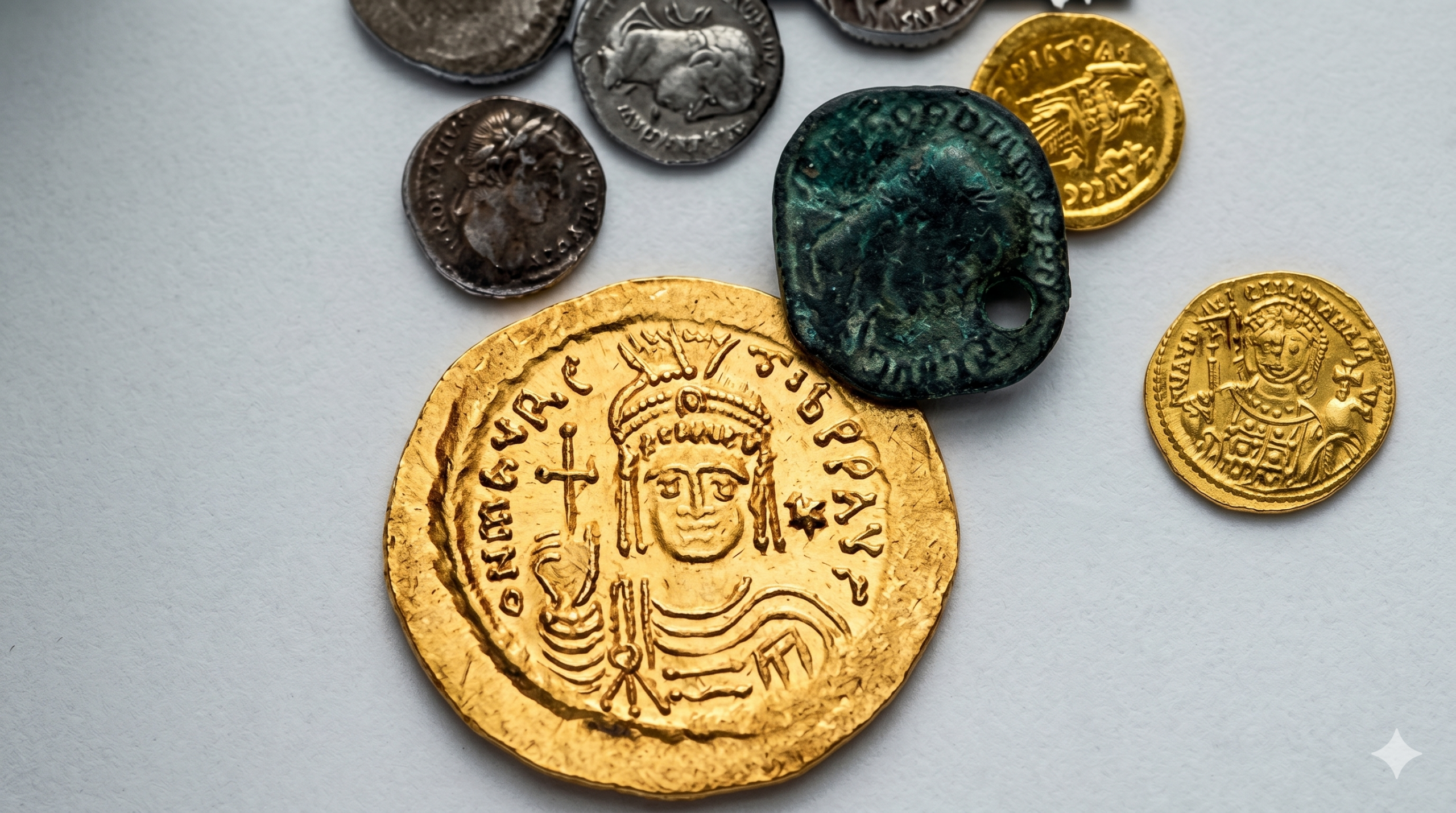
The third hall guides the visitor through the historical age: from the few Punic artifacts to the richer evidence of the Roman era, including epigraphic stelae, milestones, votive deposits, balsamaria, glassware, and funerary urns from necropolises. The territory of Ozieri was a strategic hub between Turris and Olbia, as evidenced by the three bridges over the Rio Mannu and the majestic Pont’Ezzu, one of the largest Roman bridges in all of Sardinia.
The third hall guides the visitor through the historical age: from the few Punic artifacts to the richer evidence of the Roman era, including epigraphic stelae, milestones, votive deposits, balsamaria, glassware, and funerary urns from necropolises. The territory of Ozieri was a strategic hub between Turris and Olbia, as evidenced by the three bridges over the Rio Mannu and the majestic Pont’Ezzu, one of the largest Roman bridges in all of Sardinia.
MEDIEVAL HALL
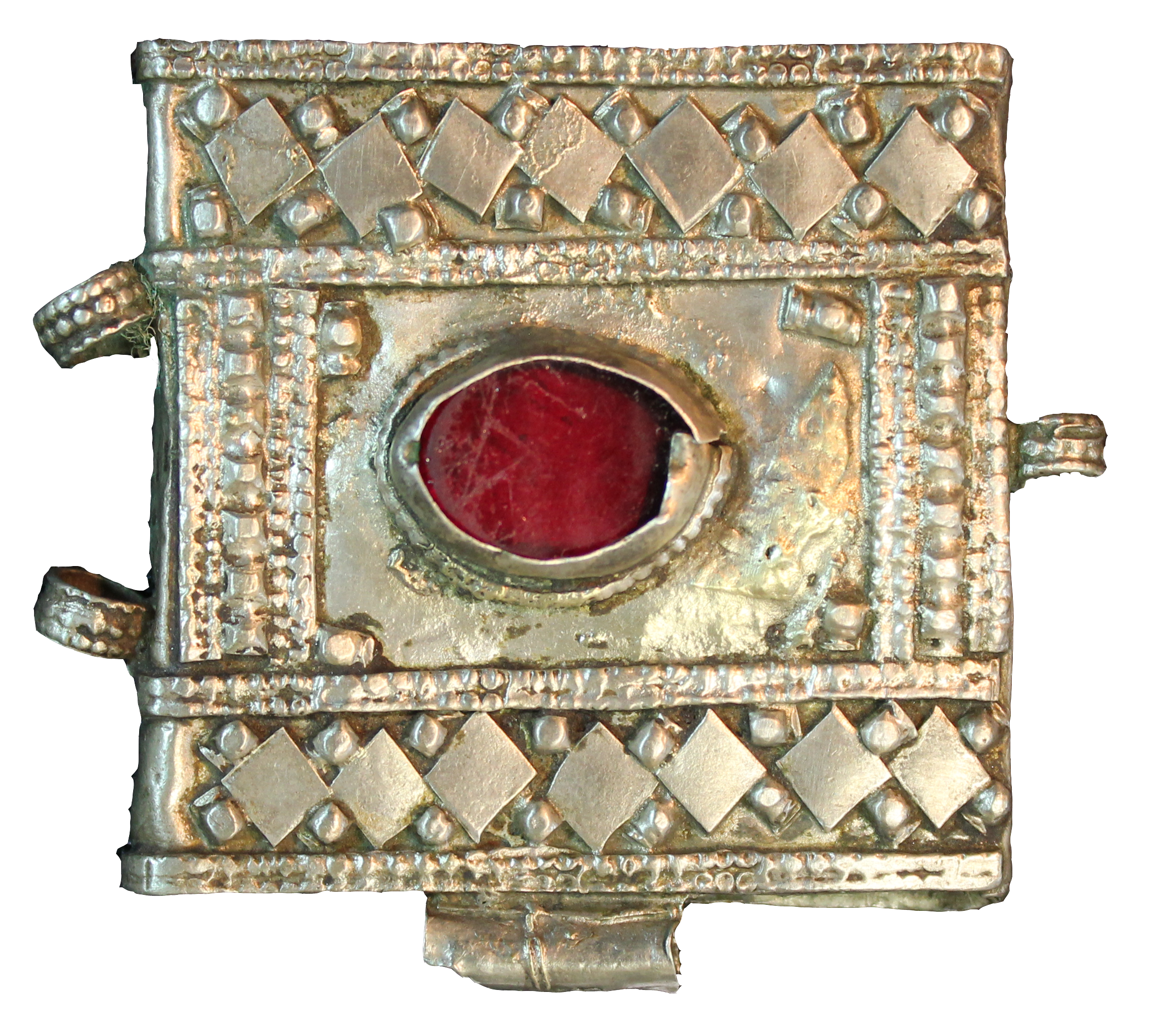
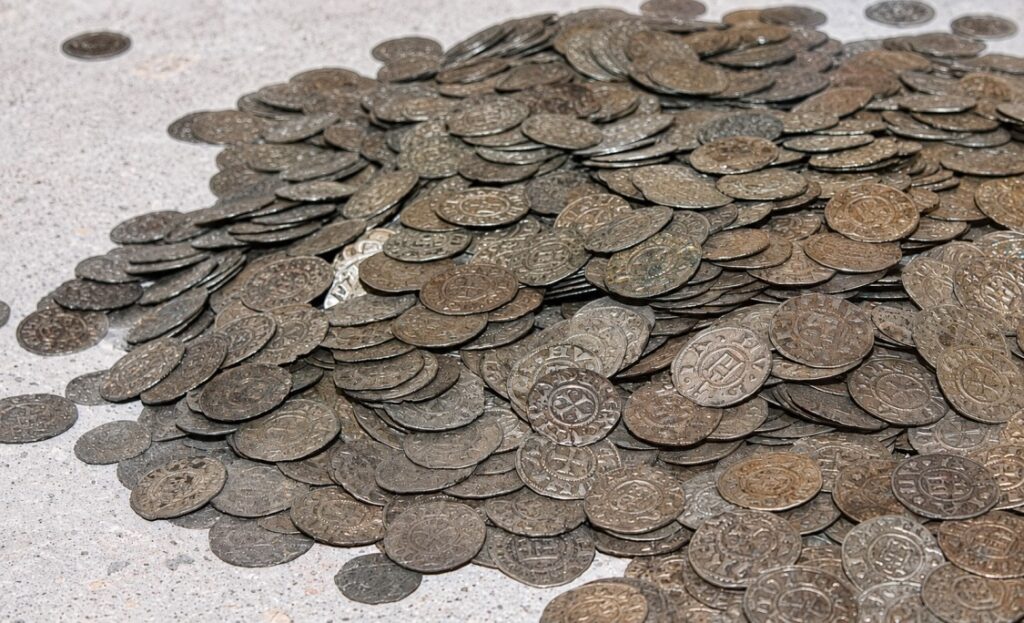
The final corridor concludes the tour with medieval and modern era artifacts: Late Gothic capitals, Byzantine and Lombard fibulae from Bisarcio, Barcelona and Valencian ceramics, and objects made of bone and ivory.
Museum events
FILTER BY ENTERING DATES
Festival del Lago Coghinas
2026-06-25
2026-06-27
Tre giorni tra sport acquatici, concerti all’aperto e escursioni guidate nella natura intorno al lago.
Sagra delle Tradizioni Rurali
2026-07-02
2026-07-04
Festa dedicata alla cultura contadina con degustazioni, dimostrazioni di antichi mestieri e musica folkloristica.
Settimana della Cultura di Ozieri
2026-09-05
2026-09-05
Mostre temporanee, laboratori didattici e incontri con archeologi per approfondire la storia e le tradizioni del territorio.
Notte Preistorica
2026-06-21
0000-00-00
Evento serale tra archeologia e spettacolo, con visite alle grotte, installazioni luminose e racconti sulla civiltà prenuragica.
Festival del Medioevo Regale
2026-05-10
2026-05-10
Rievocazione storica del periodo giudicale con cortei in costume, musica medievale e visite guidate alla basilica illuminate da candele.
MUSEUM NEWS
No Results Found.
The page you requested could not be found. Try refining your search, or use the navigation above to locate the post.
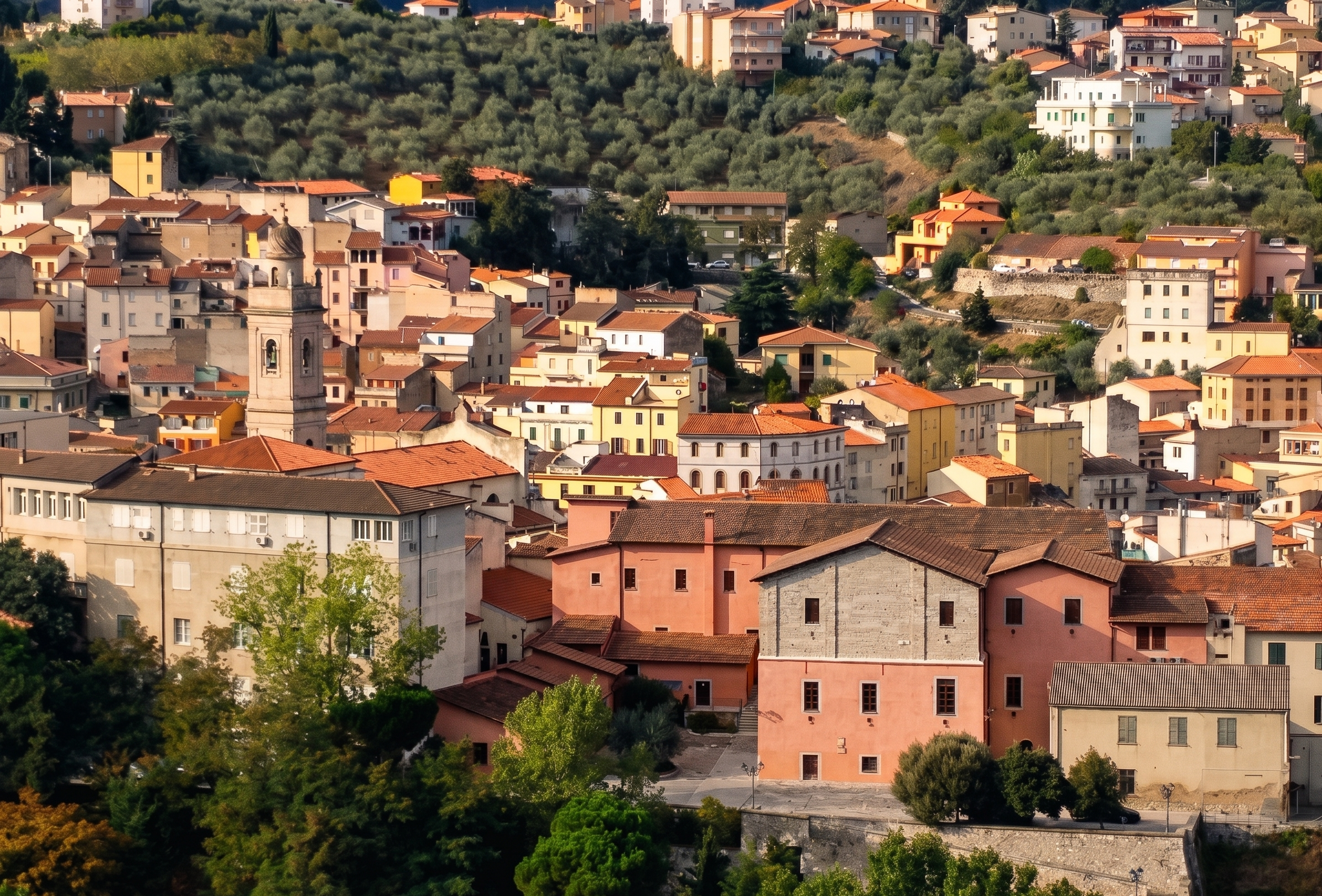
A gateway to the memory of Sardinia
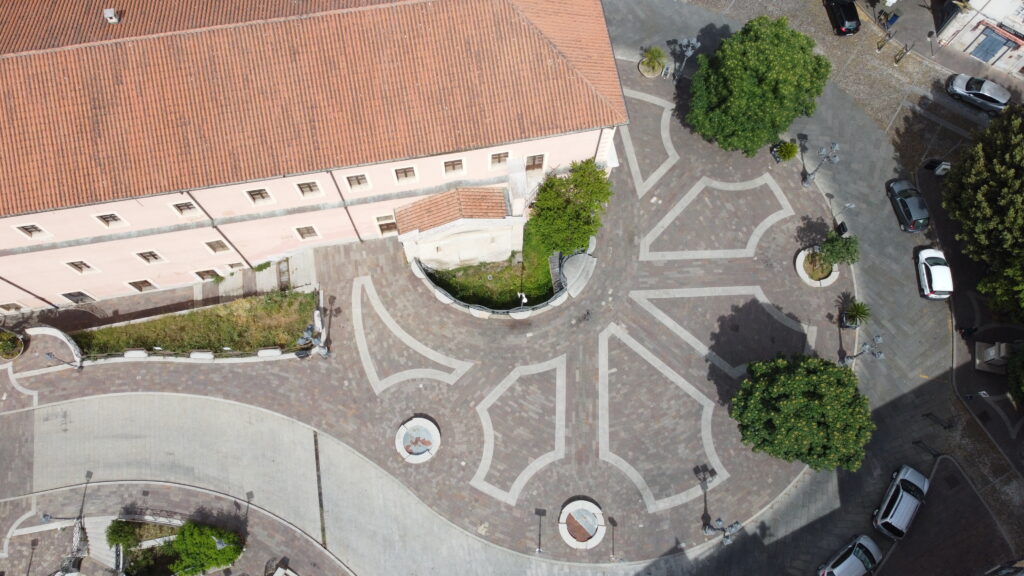
The Civic Archaeological Museum at the Clarisse is not just a place of preservation: it is a living space, designed to welcome, engage, and inspire. With its restoration laboratories, educational spaces, library, study room, and temporary exhibitions, it serves as a cultural landmark for the entire Monte Acuto region. An unmissable stop for anyone who truly wishes to discover the deepest soul of Ozieri and Sardinia.
VIRTUAL TOUR
VIRTUAL TOUR
OF THE CLARISSE CELLS
Go to video